The Top 5 Technical Trends in B2B Wholesale for 2026


Please enter your Email address
These five technical B2B trends are ones that wholesale distributors will need to address in the future.
This blog article provides a compact overview of five technical trends that will not only remain relevant in 2026 but will also occupy many wholesalers both operationally and strategically.
These are trends that rely less on buzzwords and more on genuine impact for margins, efficiency and customer relationships.
1) AI, Predictive Analytics and Intelligent Automation
The use of artificial intelligence is no longer a vision of the future and will become an operational foundation for wholesale in 2026. Many companies now see AI as a central factor for efficiency and process optimization. AI is not used selectively. It is deeply integrated into workflows. It analyzes inventory and ERP data, identifies cross and upselling opportunities, forecasts demand, customer churn and prices. The trend is moving away from viewing AI as a temporary project and toward treating it as part of the entire value chain. This changes the speed and quality of decisions as well as the foundation for strategic steering in sales.
2) B2B E Commerce and Digital Platforms with Expanding Reach
B2B online commerce continues to grow and will become increasingly standard in 2025 and 2026. According to the latest Market Monitor, a significant portion of wholesale revenue already comes from digital channels and the trend continues to rise. For many wholesalers this means that their online shop or the use of specialized platforms is no longer an optional extension but a central business area. The reason is simple. Customers in the B2B environment expect speed, transparency and simple ordering processes. As a result, the traditional wholesale model based on catalogues, Excel sheets and manual ordering processes is coming under pressure.
3) Connected Supply Chains and Automated Distribution using IoT, Cloud and Real Time Data
Wholesale will increasingly become part of digitally connected value chains in 2026. Technologies such as cloud platforms, IoT and real time data provide greater transparency along the entire supply chain. This enables more efficient warehousing and logistics and supports proactive control of inventory, delivery times and replenishment. Especially for complex assortments and high volumes of items, automated distribution helps accelerate processes and reduce errors.
An important aspect is the rise of modular system landscapes. In 2026 the question is no longer whether a company has the right single software solution. The decisive factor is how well systems are integrated. Cloud based platforms, modular architecture and composable infrastructure gain importance. The advantage is that each component can be developed, replaced or extended independently without disrupting the entire system. For wholesalers this means that instead of relying on monolithic ERP systems they increasingly combine ERP, CRM, e commerce platforms, AI modules and data analytics. This modularity allows businesses to react flexibly to market changes, connect new channels and scale processes with agility.
4) Data Driven Personalization and Store of One Approaches in B2B
A trend that has been popular in B2C for years is now gaining traction in B2B. Individual and personalized purchasing experiences. This development is driven by a combination of e commerce, AI and SaaS platforms. According to current forecasts, B2B e commerce systems will enable Store of One scenarios in 2026. Every buyer sees a tailored assortment based on their history, industry, pricing agreements and expectations. This shifts how wholesalers segment, communicate with and serve their customers. Efficiency and relevance replace generic mass communication. Or as we often say: Goodbye one size fits all and hello predictive analytics.
CALCULATE NOW THE ROI OF QYMATIX PREDICTIVE SALES SOFTWARE
5) The Connection of Sales, Data Management and Operational Processes. End to End Digitalization
A central trend for 2026 is that sales, data management, supply chain and digital channels no longer operate independently. Cloud ERP, AI analytics, e commerce systems, customer portals and logistics are expected to work in an integrated way. This end to end digitalization shortens reaction times, increases transparency and supports fully automated processes. For many companies it becomes a prerequisite for efficient, scalable and low risk operations.
Why These Trends Are Especially Relevant in 2026
These technical trends matter in 2026 for several reasons. First, technologies such as AI, cloud, platforms and modular architectures have matured enough to be deployed in a stable and scalable way. Second, buyer behavior is changing, also in B2B. Customers expect digital, fast and flexible processes rather than catalogues and manual ordering. Third, cost pressure and requirements for process and supply chain efficiency are rising and can hardly be managed manually. And fourth, companies that invest early in this infrastructure create a structural advantage that is difficult to catch up with later.
For wholesalers who use their ERP data, integrate process automation and AI based analytics, sell digitally and operate a connected supply chain, these developments are no longer trends. They are essential competitive factors.
CONTACT US TODAY FOR YOUR PERSONAL CALL
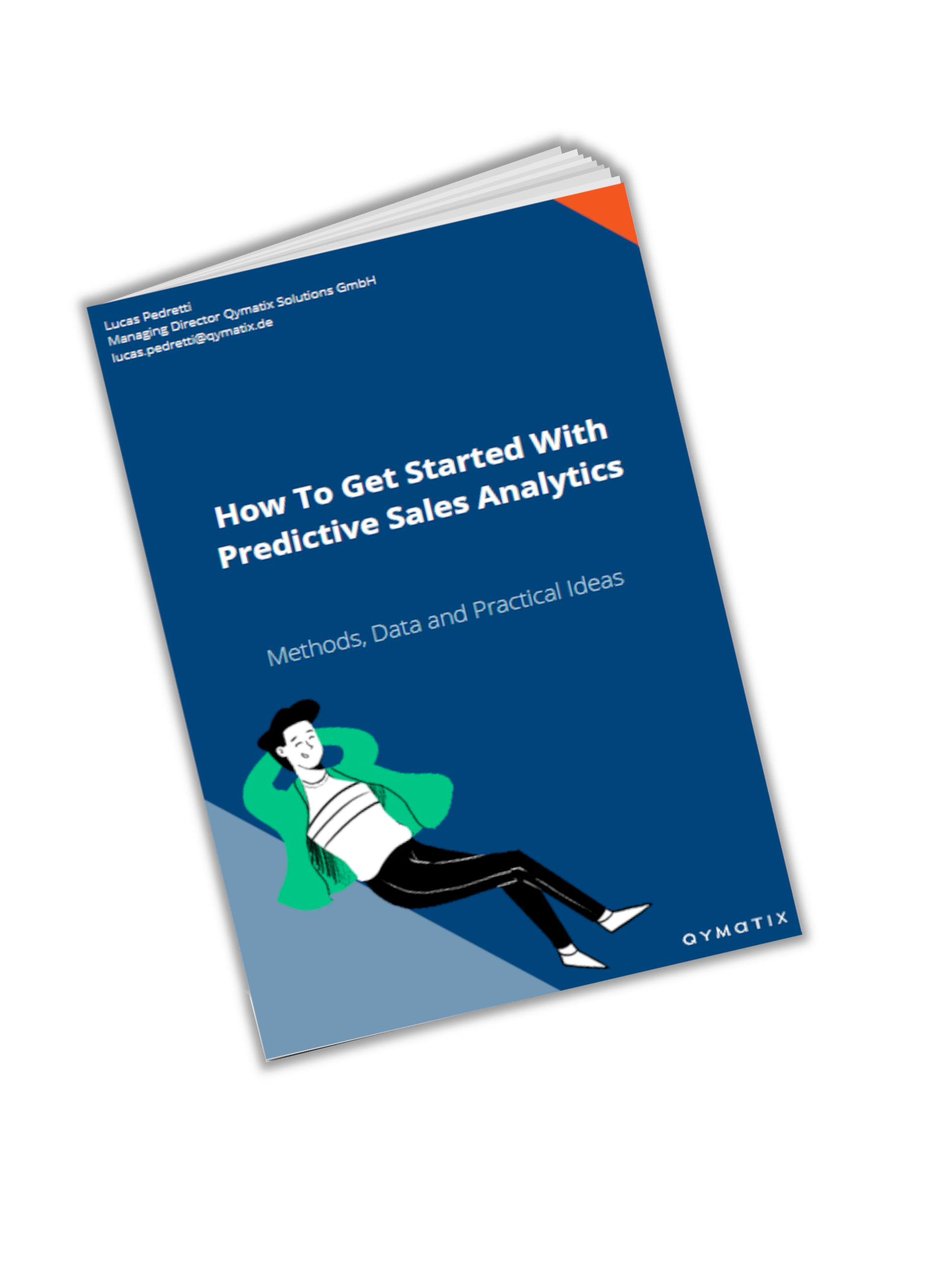
Free eBook for download: How To Get Started With Predictive Sales Analytics – Methods, data and practical ideas
Predictive analytics is the technology that enables a look into the future. What data do you need? How do you get started with predictive analytics? What methods can you use?
Download the free eBook now.
Please enter your Email address


- We will use this data only to contact you for discussing predictive sales KPIs. You can read here our declaration on data protection.